 Vincere
It starts so innocently, doesn't it? You’re scrolling, maybe just unwinding after a long day, or waiting for coffee to brew. Then you see it: a friend’s perfectly curated vacation photos, a former classmate's promotion announcement, a stranger’s impossibly tidy home, or another’s effortless fitness journey. Your thumb pauses. A tiny, hot pang hits you in the chest.
Suddenly, your own life feels… flat. Your living room looks lived-in, not magazine-ready. Your career feels like a climb, not a launch. Your efforts at healthy habits feel like a constant struggle, while theirs seem to flow. You're left with a quiet, uncomfortable question: Why isn't my life more like that?
This feeling isn't unique to you. It's the silent, often shameful, spiral of comparing yourself to others on social media. And while the world outside your phone screen keeps turning, inside your head, a powerful inner critic kicks into overdrive, making you feel inadequate, behind, and ultimately, deeply unhappy.
The Psychology of the Scroll: Why We Compare and Why It Hurts
At its core, comparing yourself to others psychology tells us that social comparison is a natural human tendency. We instinctively gauge ourselves against others to understand our place in the world, to motivate ourselves, or even to feel better. Historically, this happened within our immediate village or tribe. Now, thanks to social media, our "village" includes millions of perfectly posed, endlessly successful, and seemingly flawless individuals worldwide.
The problem? What you see online is almost exclusively a highlight reel. It's the meticulously chosen, filtered, and often edited 1% of someone's life, presented for public consumption. You're comparing your candid, messy, real behind-the-scenes footage to their blockbuster trailer. And your brain, in its attempt to make sense of things, often falls into these traps:
- The Upward Comparison Trap: We tend to compare ourselves to those we perceive as "better" or more successful, which often leaves us feeling inferior.
- The Attribution Error: We attribute others' successes to their inherent qualities ("they're just naturally talented"), while we attribute our own struggles to external factors ("I had a bad day").
- The Illusion of Perfect Lives: We forget that everyone, everyone, faces challenges, insecurities, and bad days. Their perfect posts hide a complex reality.
When you consistently engage in this kind of comparing yourself to others, it makes you unhappy. It drains your energy, fosters self-doubt, and can even paralyze you, making you afraid to pursue your own goals because they feel so small next to someone else's apparent triumph. It’s a quiet ache that grows when you feel isolated in your efforts. Feeling Behind in Life? Read This Before You Scroll Again might offer a familiar pang.
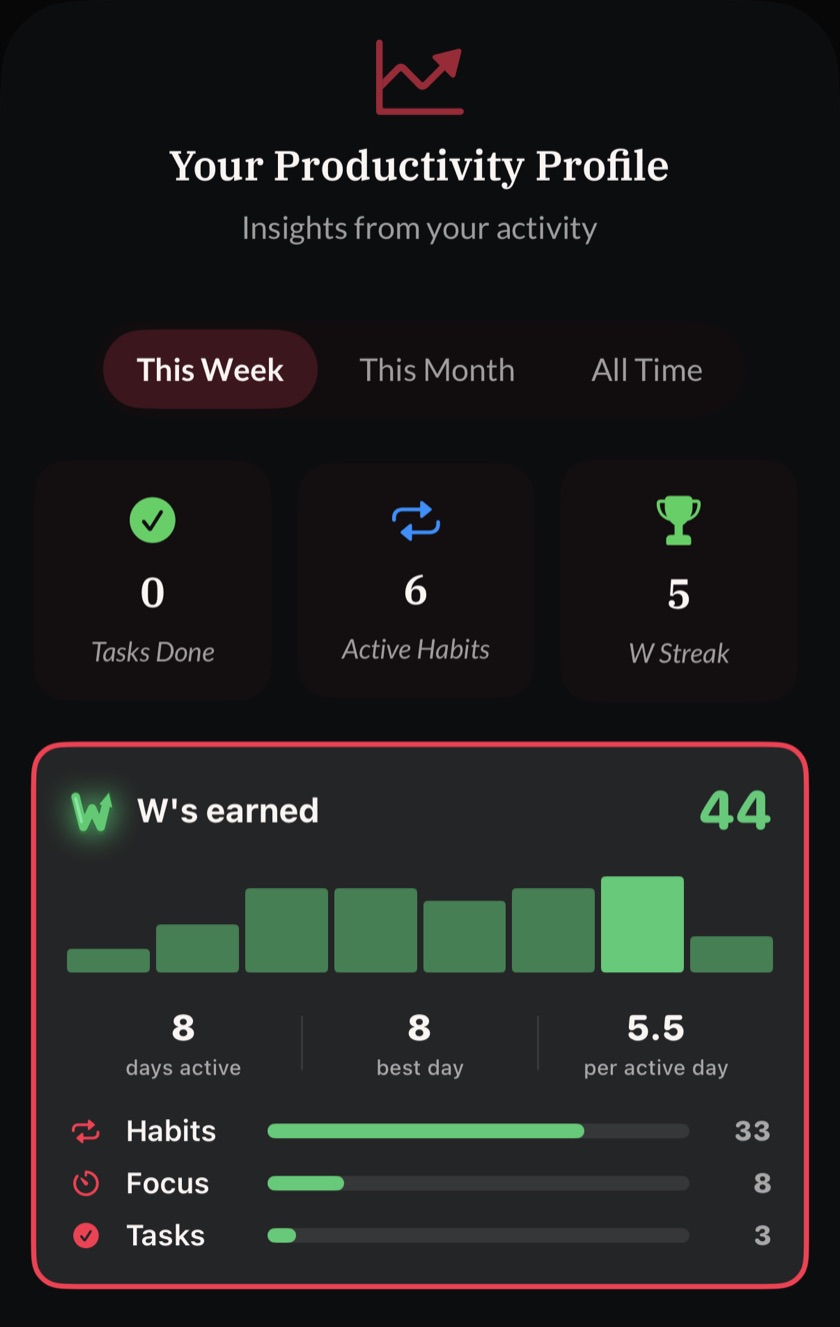
Feeling drained by comparison? Start building your own wins and celebrating genuine progress, not curated perfection, with your crew. Download Vincere.
Try Vincere free Scan with
your iPhone
What Doesn't Work (and What Actually Does)
It's tempting to just "think positive" or decide to "stop caring." But these well-meaning sentiments rarely work because they don't address the deep-seated psychological patterns at play. Simply deleting all social media isn't always practical or desirable either.
Instead, the path to breaking free from this spiral involves a combination of mindful consumption, a radical shift in focus, and genuine human connection.
1. Audit Your Digital Diet: Curate Your Input
Just as you wouldn't eat junk food all day, you shouldn't consume digital content that makes you feel bad.
- Unfollow Without Guilt: If an account consistently triggers feelings of inadequacy, envy, or unhappiness, unfollow or mute it. You don't owe anyone a virtual audience. This isn't about being negative; it's about protecting your mental space.
- Seek Inspiration, Not Comparison: Actively seek out accounts that genuinely inspire you, teach you something, or make you laugh. Look for authenticity, not just perfection.
- Set Boundaries: Use your phone's built-in tools (Screen Time on iPhone) to set daily limits on social media apps. Consider designated "no-scroll" times – like the first hour of your day or before bed.
2. Anchor in Your Own Reality: The Power of Small, Consistent Wins
This is perhaps the most crucial shift. Instead of looking out, look in. Instead of comparing your outcomes to others' outcomes, focus on your own inputs and efforts. This is where ancient wisdom and modern psychology align: many traditions, not just comparing yourself to others in the Bible, emphasize focusing on your own path, practicing gratitude for what you have, and striving for personal growth rather than external validation. It’s about running your own race.
- Define Your Wins: What does progress truly look like for you today? Maybe it's drinking enough water, taking a 15-minute walk, or dedicating focused time to a passion project.
- Celebrate the Effort: Shift your mindset from needing perfect results to valuing consistent effort. Every small step forward, every act of showing up for yourself, is a win.
- Journal Your Journey: Keeping a private record of your efforts, challenges, and small victories helps you see your own progress clearly, rather than relying on external metrics.
3. Build Your Own Crew: Shared Effort Over Lonely Perfection
One of the most insidious effects of social media comparison is the feeling of loneliness. You see everyone else's triumphs and feel like you're the only one struggling. This isolation only amplifies the inner critic's voice.
This is where finding genuine, private support can be transformative. Imagine sharing a small, personal goal with a trusted friend, knowing they're doing the same, and seeing each other's genuine effort rather than a curated post.
For instance, maybe you’re both working on a "Do Not Hit Snooze" habit. You share it, check off your win each morning, and maybe even share a quick photo of your made bed (if you feel like it, and only with them). They see your actual effort, and you see theirs. There's no pressure to perform for a mass audience, just mutual encouragement.
This kind of shared, private journey builds a powerful antidote to comparison. It fosters empathy, real-world accountability, and the quiet satisfaction of genuine progress. It reminds you that effort is shared, struggles are universal, and support makes everything a little lighter. The Quiet Ache of Lonely Self-Improvement becomes less acute when you have a crew.
Ready to quiet the noise and focus on your path? Let Vince, your AI coach, help you plan a week centered on *your* goals. Try Vincere free.
Get Vincere on the App StoreScan withyour iPhone
Your Next Tiny Step Today
The weight of comparing yourself to others on social media can feel heavy, but relief starts with a single, small action.
Today, pick just one account that consistently makes you feel less-than, and mute or unfollow it. Take a deep breath. Notice the tiny bit of space that opens up in your mind. Then, consider what one small, personal win you can achieve for yourself – not for anyone else – and quietly celebrate it. This is your life, your journey, and it's uniquely valuable, precisely because it's yours.
If the feelings of inadequacy or unhappiness are persistent and overwhelming, please remember that you don't have to carry this alone. Talking to a doctor, therapist, or contacting a local crisis line can provide the support you need.