 Vincere
You know the feeling. The one that drapes over you like a heavy, invisible blanket. It's 3 PM, you've stared at the same half-written email for an hour, the laundry basket has become an abstract sculpture, and the thought of standing up feels like a monumental effort. You tell yourself you're just "lazy," and the word sits in your stomach like a cold, hard stone.
The guilt starts to spiral: Why can't I just do it? Everyone else seems to manage. What's wrong with me? That internal critic, ever-present, whispers that you lack discipline, drive, or even worth. You look at friends' seemingly effortless productivity, comparing your messy insides to their curated highlight reels, and the quiet ache of lonely self-improvement grows.
But here's a radical thought: what if you’re not lazy at all? What if "lazy" is just a label we stick on ourselves when we don't understand what's really going on? More often than not, that feeling of being completely unmotivated isn't a character flaw. It's a signal. A sign that your brain or body is trying to tell you something important.
In my experience, and in countless conversations I've had, what we call "laziness" often boils down to one of three core feelings: you're either tired, scared, or bored. Understanding which one it is can unlock the perfect antidote.
"Why Am I So Lazy?" Maybe You're Just Tired.
This is the most straightforward, yet often overlooked, culprit. In a world that glorifies constant hustle, we're taught to push through exhaustion. But your body and mind have limits.
How it feels: Physical drag, brain fog, heavy eyelids, irritability, a general sense of being "drained." Even simple tasks feel Herculean. You might find yourself staring blankly at your to-do list, not because you don't want to do anything, but because you literally can't muster the energy. Your body is screaming for rest, but your mind is shaming you for it.
What it needs: Rest. And I don't mean scrolling through social media. Real, restorative rest.
- Prioritize Sleep: This isn't groundbreaking, but it's foundational. Aim for 7-9 hours. Create a wind-down routine (no screens an hour before bed, dim lights, a warm drink).
- Take Micro-Breaks: If you can't nap, step away. Look out a window. Listen to a single song. Close your eyes for five minutes. Even just five minutes of genuine disengagement can reset your system.
- Hydrate & Fuel: A dip in energy can also be a sign of dehydration or poor nutrition. Grab a glass of water, a piece of fruit, or a handful of nuts.
- Gentle Movement: Sometimes, light movement like a short walk can actually boost energy by improving circulation and waking up your body, rather than depleting it further.
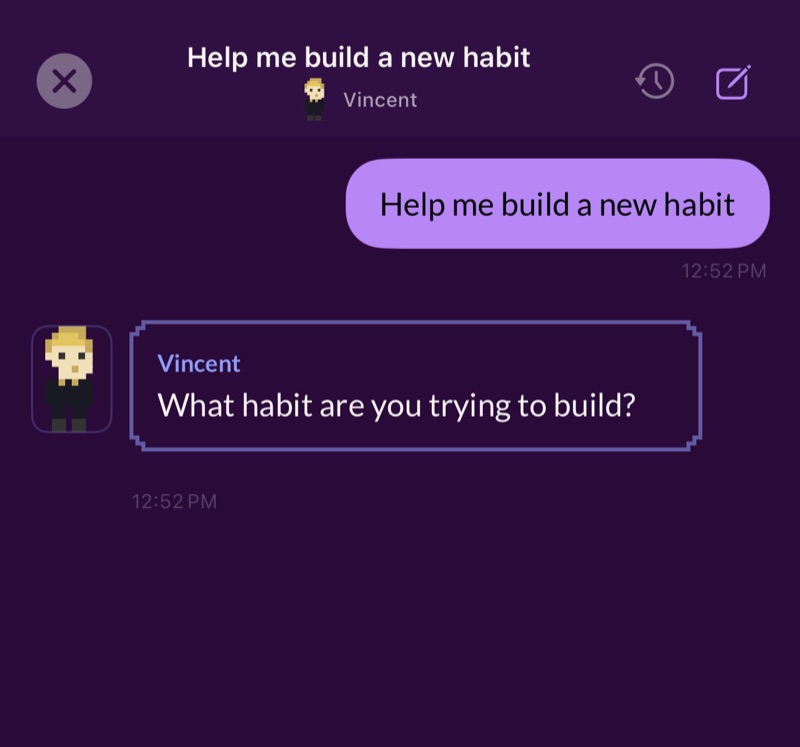
When motivation falters, break tasks into tiny steps. Let Vince AI help you plan your week and earn W's for every win on Vincere.
Try Vincere free Scan with
your iPhone
"No Motivation to Do Anything?" Maybe You're Scared.
This is the sneaky one. Fear rarely announces itself with a trumpet blast. Instead, it often masquerades as inertia, procrastination, or that heavy feeling of having no motivation to do anything.
How it feels: You know what you should do, but you just can't start. You might find yourself overthinking, planning endlessly, or getting lost in minor, irrelevant details. The task feels too big, the stakes too high, or the outcome too uncertain. This is often linked to a fear of failure, fear of judgment, or even an unconscious fear of success. You might also be feeling overwhelmed by the sheer volume of tasks.
What it needs: Safety, clarity, and tiny steps.
- Identify the Fear: Ask yourself: What's the worst that could happen if I start this? What am I worried about? Am I afraid of failing? Or maybe even succeeding? Naming the fear often shrinks its power.
- Break It Down (Ruthlessly): If a task feels like climbing Mount Everest, don't focus on the summit. Focus on tying your shoelaces. What's the absolute smallest first step you can take? Open the document? Write one sentence? Send one email? As we've discussed before, if you're feeling stuck, often the physics of one tiny move is all it takes. Feeling Stuck in Life? The Physics of One Tiny Move
- Focus on Effort, Not Outcome: Release the pressure of perfection. Tell yourself: "My only job today is to try for 15 minutes." The outcome doesn't matter yet. This lowers the stakes and makes starting less intimidating. If you're struggling with the fear of not being perfect, read: Afraid to Fail? How to Finally Start the Thing You Care About Most
- Seek Clarity: Sometimes we're scared because we don't know how to do something. Is there a guide, a person you can ask, or a resource to consult for just 5 minutes?
"Feeling Unmotivated?" Maybe You're Bored.
Our brains crave novelty and meaning. If a task or a period of your life lacks both, disengagement is a natural response. This isn't about being ungrateful; it's about your brain telling you it needs more stimulation or purpose.
How it feels: A restless apathy. You're easily distracted, find your mind wandering, or feel a general sense of "meh" about what you're supposed to be doing. You might procrastinate by seeking out more stimulating (but less productive) activities. "What's the point of this?" often echoes in your mind.
What it needs: Stimulation, purpose, or a change of pace.
- Find Your "Why": Why does this task matter? How does it connect to your larger goals, values, or impact? Even a mundane chore can gain meaning if you link it to a cleaner home for your family, or freeing up mental space for your passion project.
- Gamify It: Can you turn it into a game? Set a timer and race yourself. Challenge a friend. Reward yourself immediately after completing a small chunk.
- Inject Novelty: Can you change how you do the task? Work in a different location? Listen to new music? Use a different tool? Even small changes can make a repetitive task less monotonous.
- Switch It Up: If possible, rotate between tasks. Work on something engaging for a bit, then tackle a boring task, then back to something stimulating. This can prevent burnout and maintain focus.
- Delegate or Automate: If it's truly unengaging and doesn't align with your strengths or purpose, can you delegate it or find a way to automate it?
How to Know Which One It Is: A Quick Self-Check
Next time you're feeling lazy and unmotivated, pause and ask yourself:
- Am I physically or mentally drained? (Think: heavy, slow, foggy) -> Probably Tired
- Is there a specific task I'm avoiding? Am I overthinking or procrastinating? Does the task feel overwhelming, or am I worried about the outcome? (Think: stuck, anxious, "what if?") -> Probably Scared
- Do I feel restless, distracted, or disconnected from the purpose of what I'm doing? Does it feel pointless or repetitive? (Think: bored, "meh," seeking distraction) -> Probably Bored
Sometimes it's a mix, and that's okay. The key is to start with the most obvious signal and address it first.
Tired of going it alone? Share a task or habit with a friend on Vincere and see who shows up to earn W's today.
Get Vincere on the App StoreScan withyour iPhone
The Power of One Small Step (and a Kind Crew)
Regardless of whether you're tired, scared, or bored, the solution rarely involves berating yourself into action. It almost always involves taking one tiny, almost ridiculously small step.
When you're trying to figure out how to get yourself moving, especially when you're feeling unmotivated, a supportive environment can make all the difference. Isolation often magnifies our struggles, making us feel like failures in secret. Sharing a small commitment with someone who's rooting for you, not judging you, can be a game-changer.
This is where a tool like Vincere can truly help. When you're scared and overwhelmed, Vince, your AI coach, can help you plan your week by breaking down those daunting tasks into manageable steps. For tasks that feel boring or for building consistent habits, having a crew means you're not going it alone. You can share tasks and habits with friends, and everyone sees who showed up that day. When you check off a task, you earn a W (a win!), and adding a proof photo (only shared with the audience you choose) earns you two. This turns effort into visible progress, and can make even tedious tasks feel more rewarding and less isolating. It's a way to feel seen and supported in your efforts, turning that lonely self-improvement into a shared journey.
Your 'laziness' isn't a moral failing; it's a signal. Listen to it. Be kind to yourself. Take that one tiny step. And remember, every single W, no matter how small, counts.
If these feelings of being unmotivated or truly stuck persist for an extended period, or if they're accompanied by hopelessness or other overwhelming emotions, please know that a doctor, therapist, or local crisis line is the right next step. You don't have to face it alone.