 Vincere
It’s 11 PM. You’re scrolling through a friend’s perfectly curated highlight reel – their new fitness routine, the side hustle blooming, the impeccably organized pantry. Meanwhile, your own to-do list for "self-improvement" feels like a cruel joke, mocking you from your journal. That language lesson you missed, the meditation app ignored, the healthy meal planned but never cooked. Another day, another stack of aspirations piled high, another whisper in your mind: You're not doing enough. You're falling behind.
The ache isn’t just tiredness; it’s a deep, weary disillusionment. You started with such good intentions, a genuine desire to grow, to be healthier, wiser, more productive. But somewhere along the line, "being better" morphed into a relentless race, a self-imposed tyranny where every gain feels temporary and every misstep confirms your deepest fear: you're just not enough.
When Trying to Be Better Becomes Another Way to Feel Not Enough
This gnawing exhaustion, this pervasive feeling of inadequacy despite your best efforts, has a name: burnout from self-improvement. You’re caught in a cycle of what’s often called toxic productivity, where the value of your day, and even your worth, becomes solely tied to how much you accomplish.
It stems from a well-intentioned but often misguided belief: if I just try harder, do more, optimize everything, I’ll finally reach that elusive state of "good enough." But the finish line keeps moving. The inner critic, ever-vigilant, raises the stakes. You compare your messy, human behind-the-scenes to everyone else's highlight reel, and you inevitably come up short. The gym bag by the door isn't a reminder of potential; it's a monument to failure. Your journaling app isn't a tool for reflection; it's another source of guilt.
This isn’t about laziness or a lack of discipline. It’s a systemic problem in a culture that often equates constant striving with virtue, leaving little room for rest, reflection, or simply being.
Tired of Trying to Be Better? The Radical Act of Doing Less, On Purpose
What if the answer to escaping this burnout isn't more effort, but less? What if the path to genuinely feeling "enough" begins with deliberately scaling back, choosing quality over quantity, and honoring your limits? It sounds counter-intuitive, almost like giving up, but it’s actually a profound act of self-care and self-respect.
Here’s how to start doing less, on purpose, and reclaim your peace:
1. The Great Unload: Pruning Your "Shoulds"
Take a deep breath and look at your entire self-improvement landscape. Not just your to-do list, but the unspoken expectations, the habits you’ve accumulated. Ask yourself: * Who is this for? Is this habit truly serving my well-being, or is it an echo of what society, social media, or even a well-meaning friend says I should be doing? * Does it spark joy (or genuine growth)? If a habit feels like a heavy chain rather than a gentle guide, question its place. * What’s the actual return on investment? Is the energy you're pouring into this yielding proportional benefits, or just more stress?
Do one thing today: Pick one self-improvement task or habit that feels like a burden, not a boon. Decide to consciously pause it for a week. Don't replace it, don't compensate. Just let it go, for now. Notice the space it creates.
2. Redefine "Better": Beyond the Grind
Often, our idea of "better" is externally focused: more money, better body, bigger achievements. Shift your definition to internal well-being. "Being better" could mean: * Getting better sleep. * Setting better boundaries. * Having better, more present conversations. * Feeling better rested and less anxious. * Allowing yourself better moments of genuine stillness.
These are radical acts in a "go-go-go" world. They don’t always come with tangible metrics or social media applause, but their impact on your inner peace is profound.
Do one thing today: For every "grind" habit you have, brainstorm a "recharge" habit that genuinely nourishes you (even if it's just 5 minutes of quiet). Replace one "grind" session this week with that recharge habit, guilt-free.
3. The Power of Small, Shared Starts
The pressure to achieve everything solo, in silence, only amplifies the feeling of inadequacy. When you're struggling with burnout, isolation makes it worse. A kind word, a shared sigh of relief, or simply knowing someone else is trying their best (and sometimes falling short) can be incredibly validating. You don't need a public stage; you need a gentle echo.
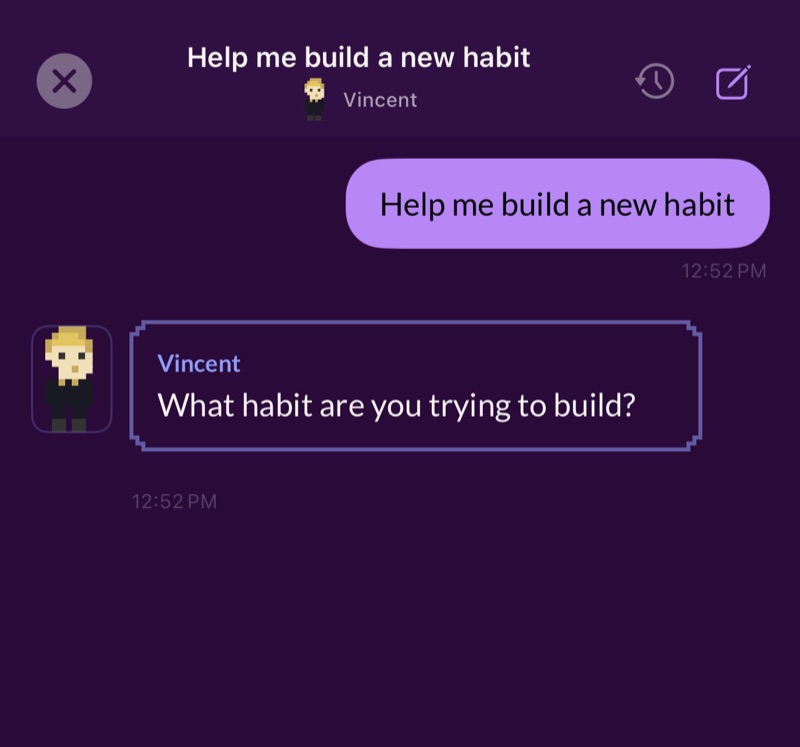
If you’re feeling the quiet ache of lonely self-improvement, a habit crew can be a gentle antidote. Apps like Vincere let you share tasks with a friend or two, seeing each other’s check-offs without judgment, just quiet encouragement. It's about building habits with people, not for them, creating a space where the effort is seen, not just the outcome. This quiet, kind accountability can shrink the feeling that you’re carrying the weight of the world alone.
Do one thing today: Reach out to one trusted friend and tell them about one small, less-pressured goal you have for yourself this week (e.g., "I'm just going to walk for 15 minutes three times"). No need for grand pronouncements, just a quiet sharing.
4. Embrace the "L": One Miss Doesn't Ruin Everything
In the world of self-improvement, we're often conditioned to believe that missing a day, breaking a streak, or having an "off" moment is a catastrophic failure. But life isn’t linear, and neither is growth. Sometimes, an "L" on your habit tracker isn't a failure; it’s a necessary "W" for rest, for listening to your body, or for prioritizing something truly urgent.
The all-or-nothing mindset is a trap. One missed workout doesn't erase weeks of effort. One indulgent meal doesn't derail a healthy eating plan. Give yourself permission to be imperfect. Give yourself permission to rest. This compassionate approach is far more sustainable than a relentless pursuit of flawlessness.
Do one thing today: Look at your week ahead. Give yourself explicit permission to miss one self-improvement habit this week, with zero guilt or need to "make up" for it. Treat that missed habit as a deliberate act of choosing rest or flexibility.
Beyond the Grind: What Truly Eases Burnout
The conventional advice of "just push through" or "find more motivation" completely misses the point when you're burnt out. What you need isn't more discipline, but more compassion. You need to challenge the narrative that your worth is tied to constant progress.
If these feelings of inadequacy, exhaustion, or hopelessness become overwhelming or persistent, remember that you don't have to carry this alone. Talking to a doctor, therapist, or reaching out to a local crisis line can provide crucial support.
Ultimately, escaping burnout from self-improvement isn't about abandoning your desire to grow. It's about growing smarter, kinder, and more sustainably. It’s about realizing that "better" isn't a destination achieved through endless striving, but a state found in balance, self-acceptance, and the courage to sometimes choose less. Your worth isn't in your output; it's in your inherent humanity.
 On a computer? Scan with your iPhone camera.