 Vincere
It’s 3 PM, and you’ve been "working" for hours. Your desk is a battlefield of half-started tasks, open tabs, and forgotten coffee. The mental to-do list, which felt manageable this morning, has morphed into a monstrous, shapeless blob. You want to get things done. You know what you need to do. But initiating the next step feels like wading through invisible treacle, or your brain has latched onto something utterly irrelevant, refusing to let go.
That feeling isn’t laziness. It’s the deep, frustrating ache of executive dysfunction colliding with a world designed for neurotypical brains. It’s the guilt that whispers, "Why can't you just do it?" when your internal engine sputters or races off in a thousand directions at once. You might feel a profound sense of failure, disappointment in yourself, or even shame, especially when generic advice tells you to "just focus" or "be more disciplined."
But here’s the truth: your brain isn't broken. It simply operates differently. And when you try to force it into conventional productivity molds, you’re setting yourself up for that cycle of overwhelm and self-blame. The key to learning how to be more productive with ADHD isn't about trying harder; it's about working smarter and, most importantly, kinder with your unique operating system.
Let’s unpack how you can shift from feeling stuck to making meaningful progress, starting today.
Why "Just Do It" Doesn't Work for ADHD Brains
Before we dive into solutions, let's acknowledge why the typical "how to be more productive" advice often falls flat for someone with ADHD:
- Task Initiation Difficulty: The gap between knowing what to do and starting it can feel like an impossible chasm.
- Time Blindness: Your brain struggles to accurately perceive time, making planning and estimating task duration incredibly challenging. "Five minutes" can feel like forever or vanish in an instant.
- Working Memory Woes: Holding multiple instructions or steps in your head is tough, leading to forgotten details or getting sidetracked.
- Emotional Regulation: Frustration, boredom, or the fear of failure can become overwhelming obstacles, leading to avoidance or shutdown.
- Hyperfocus vs. Distraction: You might either lock onto one minor detail for hours (ignoring everything else) or find your attention constantly pulled in new directions.
These aren't character flaws; they're features of an ADHD brain. Understanding this is the first, crucial step toward self-compassion and effective strategies.
Feeling stuck trying to start your day? Build a gentle morning routine and track your first tiny win today with Vincere.
Try Vincere free Scan with
your iPhone
Redefining Productivity: Small Steps, Big Impact
Forget the image of the perfectly organized, hyper-efficient guru. For you, productivity means consistently taking small, intentional steps that align with your values, even if they don't look impressive to others. It’s about building momentum, not striving for perfection.
How to Be More Productive in the Morning: The Gentle Start
Mornings can be a battleground, especially when your brain is already buzzing. Instead of an ambitious to-do list, focus on small, consistent wins:
- The "One Thing" Rule: Before you even get out of bed, decide one single, small thing you'll accomplish. Not a big project, just "brush teeth," "drink water," or "make the bed." This sets a positive tone.
- External Cues are Your Best Friend: Don't rely on memory. Set alarms for everything: when to get up, when to leave, when to start the next morning task. Place items where you can see them (e.g., gym clothes by the door).
- Micro-Routines: String together 2-3 tiny, easy tasks. "Put on shoes + grab keys + get coffee." The goal isn't speed, but consistent completion. Want more on building lasting habits? Read our article: Tired of Starting Over? How to Build Habits That Actually Stick
Taming the Task Monster: How to Be More Productive at Home & Work
Whether you're battling laundry piles or project deadlines, the principles remain the same: break it down.
- The "Two-Minute Rule" for Initiation: If a task takes less than two minutes, do it now. This bypasses the initiation hurdle.
- Break It Down (Even Further!): "Clean kitchen" is overwhelming. Break it into: "Clear counter," "Wipe counter," "Load dishwasher," "Sweep floor." Each step becomes its own tiny, achievable goal.
- Externalize Your Brain: Don't trust your memory. Write everything down – use sticky notes, a whiteboard, or a task management app. For tasks with many steps, consider using a digital tool like Vincere, where you can create folders for different areas of your life (work, home, personal) and break down larger goals into individual, trackable tasks.
- Body Doubling (Even Virtual): Simply having another person present, even if they’re doing their own work silently, can significantly help with focus and initiation. It creates a gentle, non-judgmental accountability. This is where the social aspect of productivity truly shines.
- Scheduled "Distraction Breaks": Acknowledge that your brain needs novelty. Schedule short, intentional breaks to browse social media or walk around. This can prevent endless scrolling when you're supposed to be working. Consider using a focus timer, like the one in Vincere, to set timed work sprints followed by short breaks, helping you manage your attention.
How to Be More Productive When Working From Home
Working remotely presents unique challenges for ADHD, blending home distractions with work responsibilities.
- Dedicated Zones: If possible, have a distinct "work zone" and "home zone." Even a specific chair or corner of a room can signal to your brain: "This is where work happens."
- Clear Boundaries: Establish a clear start and end time for your workday. When work is done, physically (or mentally) "leave" your workspace.
- Minimize Visual Clutter: A cluttered environment leads to a cluttered mind. Spend 5-10 minutes clearing your workspace before starting.
- Accountability Pacts: Work with a colleague or friend who also works from home. Check in with each other daily on one or two key tasks you aim to complete.
The Power of Wins: See Your Effort, Feel Your Progress
One of the most disheartening parts of ADHD productivity struggles is the feeling that you're constantly working hard but have nothing to show for it. This is where externalizing your progress becomes incredibly powerful.
Every tiny task you complete, every small habit you stick to, is a "win." But for many with ADHD, these wins go unnoticed, buried under the weight of the next thing. We often forget to celebrate progress, leading to burnout and feeling like we're constantly running on a treadmill.
Imagine if you had a tangible way to mark each accomplishment, no matter how small. A system that visually showed you your streak of consistency or the cumulative effort you've put in. This isn't about bragging; it's about providing your brain with the dopamine hit it craves and the undeniable proof that you are showing up.
This is where a tool like Vincere can make a real difference. It’s designed around the concept of small wins. When you check off a task or habit, you earn a "W." Add a photo as proof (e.g., your made bed, your finished report), and you get 2 W's. This visual and tangible feedback loop is crucial for the ADHD brain, turning abstract effort into concrete achievement. You can share these tasks and habits with friends, creating a supportive crew where everyone sees who showed up, adding that gentle, non-judgmental external accountability that can be so motivating.
Overwhelmed by your to-do list? Break down big tasks into small, actionable steps with Vince, your AI coach in Vincere.
Get Vincere on the App StoreScan withyour iPhone
Your AI Ally: A Non-Judgmental Coach for Your Week
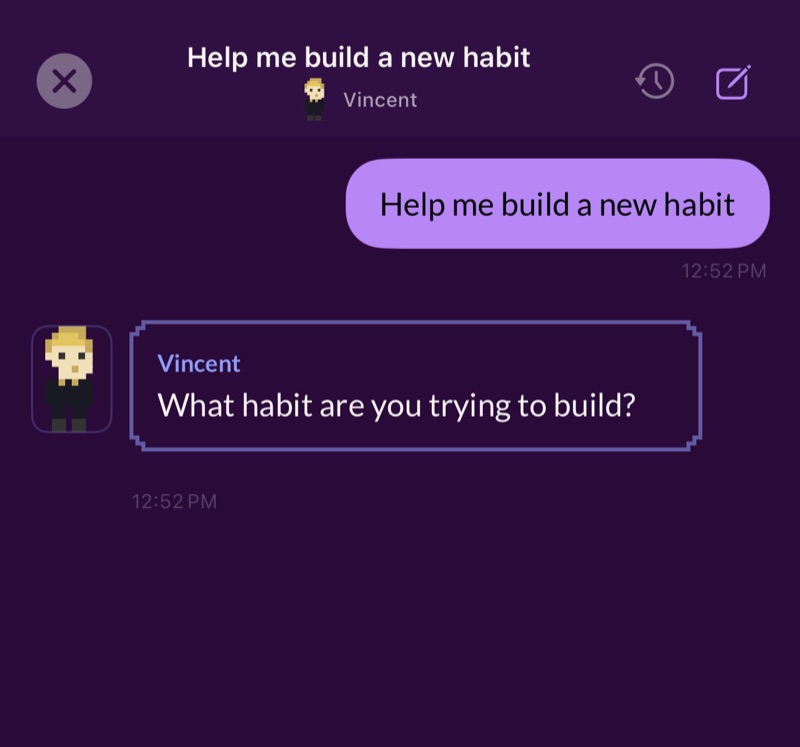
Sometimes, the biggest hurdle is simply planning what to do and how to break it down. Vince, the AI coach within Vincere, can help with this. You can have a conversation about your goals, and Vince will help you plan your week, creating tasks and habits for you. With morning and evening check-ins, it offers the structure and gentle nudges many with ADHD find invaluable, all without the pressure or judgment of a human. It's like having a kind assistant who understands your challenges and helps you stay on track.
When the Feeling Is Too Heavy
While these strategies can significantly improve your daily life, it's okay if some days still feel insurmountable. If you find yourself consistently overwhelmed, unable to function, or experiencing deep feelings of hopelessness or worthlessness, please know you don't have to carry that alone. A doctor or therapist can offer personalized support, diagnosis, and treatment options that go beyond productivity strategies. Organizations like CHADD or your local crisis line can also provide valuable resources.
A Kinder Way Forward
Learning how to be more productive with ADHD isn't about fixing yourself; it's about understanding and supporting your brilliant, complex brain. Start small. Be kind to yourself. Celebrate every single win, no matter how tiny it seems. Build a system of external support, whether through friends, family, or tools designed to work with you. You are capable of so much, and finding your unique path to productivity will allow that capability to shine through.