 Vincere
It's Sunday evening. The last crumbs of the weekend are disappearing, and a familiar pit forms in your stomach. You glance at your cluttered inbox, the half-finished project, the mountain of chores, and that one thing you really needed to get done last week but didn't. Your mind starts to race, cataloging all the demands of the upcoming days, and before you know it, you're not just dreading Monday, you're dreading the entire week.
You feel a quiet sense of panic, perhaps even a whisper of shame that you haven't "gotten it together" yet. You've tried planning before – elaborate color-coded schedules, bullet journal spreads, digital calendars bursting with entries – but they always seem to fall apart by Tuesday. The feeling of starting over, again and again, can be exhausting.
You’re not alone in this feeling. Many of us grapple with this cycle of overwhelm and under-preparation. It's often fueled by a desire to do all the things, a fear of missing out, and an unrealistic view of how much we can genuinely achieve in a mere seven days. But what if planning your week wasn't about rigid perfection, but about creating space, fostering calm, and building a sense of gentle capability?
The good news is, it can be. Let's ditch the complicated systems and focus on practical, actionable steps you can take today to regain a sense of control and ease that dreaded feeling.
From Overwhelm to Clarity: Your Sunday Evening Reset
The goal here isn't to cram every minute, but to identify what truly matters and make a realistic game plan. This isn't just about productivity; it's about peace of mind.
Step 1: The Brain Dump – Get It All Out (15-20 minutes)
Before you can organize, you need to see the chaos. Grab a notebook, a digital document, or even a voice memo app. For the next 15-20 minutes, write down everything that's on your mind regarding the upcoming week. Don't filter, don't judge, just list:
- Work tasks: Meetings, deadlines, projects, emails to send.
- Personal errands: Groceries, appointments, bills to pay, calls to make.
- Home tasks: Chores, repairs, organizing.
- Social commitments: Dinners, events, calls with friends.
- Self-care: Workouts, meditation, reading, hobbies.
- Lingering worries: Anything that's buzzing in your head about the week.
This brain dump is crucial. It empties your mental RAM, reducing the cognitive load that fuels that feeling of dread. You're giving your brain permission to stop trying to remember everything and letting the paper (or screen) hold it for you.
Step 2: Identify Your Most Important Tasks (MITs) for the Week (10 minutes)
Now, look at your massive list. It's intimidating, right? But not everything holds equal weight. For the upcoming week, identify 3-5 Most Important Tasks (MITs). These are the tasks that, if nothing else gets done, you absolutely must complete to feel like the week was successful.
- Tip: These are often the tasks that move the needle in your work or significantly improve your quality of life. For a student, it might be finishing a key assignment draft. For someone managing a household, it might be meal planning and grocery shopping.
Highlight or circle these MITs. They become your north star. Everything else is secondary, or can be delegated, deferred, or dropped. This is how you really start to plan your week effectively – by focusing on impact, not just activity.
Step 3: Schedule Your MITs First (15 minutes)
Open your calendar (digital or physical). This is where you actually block out time for your MITs. Be specific. Don't just write "Work on Project X." Write:
- "Monday, 10-11:30 AM: Draft Project X Intro"
- "Tuesday, 2-3 PM: Research for Project Y"
Treat these blocks like non-negotiable appointments. Imagine if they were doctor's appointments – you wouldn't just skip them. This is how you plan your week to be productive, ensuring the crucial stuff gets dedicated attention.
Pro-Tip: If you struggle with ADHD, breaking tasks into smaller, more manageable chunks can be incredibly helpful. Instead of "Clean Bathroom," try "Monday, 8:30-8:45 AM: Clean Toilet." These micro-tasks reduce activation energy. For more tailored strategies, you might find some useful tips in our article: Feeling Overwhelmed? How to Be More Productive with ADHD, Starting Today.
Step 4: Integrate Self-Care and Buffer Time (10 minutes)
This is where many plans fail. We meticulously schedule work but forget to schedule life. To genuinely feel calm and capable, you must schedule:
- Breaks: Short walks, stretching, coffee breaks.
- Meals: Don't eat at your desk mindlessly.
- Exercise: Even 20-30 minutes.
- Transition time: Don't stack meetings back-to-back. Allow 10-15 minutes to decompress and prepare.
- Wind-down routines: An evening routine helps signal to your brain that the day is over. Check out our A Realistic Night Routine List for Exhausted Evenings for ideas.
Also, add buffer time around bigger tasks. Things will take longer than you expect. A 30-minute task might actually be 45. A meeting might run over. Leave some breathing room so a single hiccup doesn't derail your entire day and send you spiraling back into overwhelm.
Step 5: Plan for the Weekend, Too (5 minutes)
Part of how to plan your week effectively is to include your downtime. The weekend isn't just a void to crash into; it's a vital part of your well-being. Block out time for:
- Rest and relaxation: Truly unplug.
- Hobbies and joy: What replenishes you?
- Social connections: Time with friends and family.
Knowing you have dedicated time for these things reduces the urge to squeeze them into an already packed weekday, alleviating the "Sunday Scaries" that can creep in. You're not just planning work; you're planning a sustainable life.
Feeling the weight of the week already? Get started with Vince, your AI coach, to plan out your tasks and habits today.
Try Vincere free Scan with
your iPhone
The Power of Shared Momentum
One of the quiet burdens of feeling overwhelmed or behind is the isolation. We often try to tackle everything alone, fearing judgment if we admit we're struggling. But sharing a small intention, even with one kind person, can make all the difference. Knowing someone else sees your effort can transform a daunting task into a manageable step.
This is where a tool like Vincere can be a gentle ally. Imagine you've decided to tackle "declutter the closet" this week as one of your personal MITs. You can set it as a task in Vincere and share it with a trusted friend. They don't need to do it with you, but they'll see when you check it off. When you earn a "W" (win) for completing it, and maybe even add a proof photo (only shared with your chosen audience, or kept private for yourself), you get that boost of positive reinforcement. It's not about public display; it's about acknowledging your own effort and sharing it with someone who genuinely supports you.
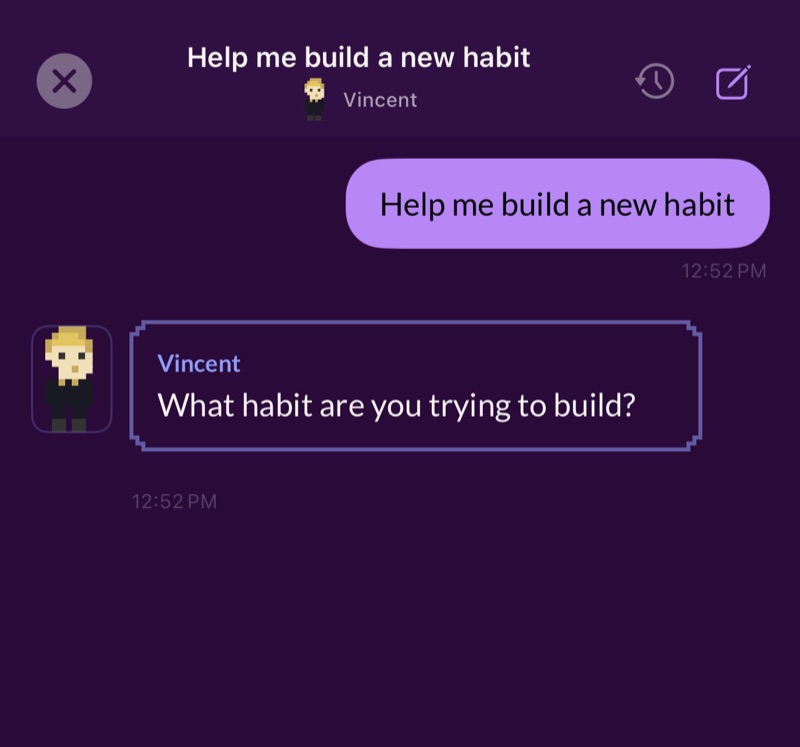
Or, if the very act of planning your week feels paralyzing, Vince, the AI coach in the app, can guide you through a conversation to break down your goals, identify key tasks, and even schedule them for you. It's like having a friendly, non-judgmental partner to help you get started when you feel stuck.
Ready to turn good intentions into daily wins? Share a task or habit with a friend on Vincere and build momentum together.
Get Vincere on the App StoreScan withyour iPhone
What If It Doesn't Go to Plan? The Art of the Mid-Week Pivot
Let's be real: no plan survives contact with reality perfectly. A new urgent task might pop up, you might get sick, or simply find yourself less motivated than you hoped. The key is not to abandon the plan entirely, but to pivot.
- Mid-week check-in: Take 10 minutes on Wednesday or Thursday morning. Look at your plan. What's working? What's not?
- Prioritize again: If something new came up, what needs to shift? Can a less important task be moved to next week?
- Adjust, don't abandon: Don't let one missed task convince you the whole week is a write-off. Simply recalibrate for the remaining days. This flexibility is how you truly plan your week to change your life, by building resilience instead of rigid expectations.
The aim isn't to be a perfect planner, but to become a more compassionate and effective one. By consistently taking these small, practical steps, you'll find that the pit in your stomach on Sunday evening starts to shrink, replaced by a quiet confidence that, no matter what the week brings, you've got a handle on it.
Ready to take control of your week and turn your intentions into tangible wins? Vincere is a free iPhone app designed to help you build habits, tackle tasks with friends, and feel good about your progress. Download it today and start building your crew.