 Vincere
You’re staring at the screen, the blank page, or the unwashed dishes. The clock ticks. The deadline whispers, then shouts. You know what you need to do. You want to do it. But something invisible holds you back, gluing you to this spot, scrolling mindlessly, or just… existing. The guilt curdles in your stomach, heavy and familiar. Why can't I just start? you ask yourself, for the hundredth time.
This isn’t about being lazy. Lazy implies you don’t care. But you do care, profoundly. That's why the feeling of being stuck is so painful. It's the quiet ache of potential unmet, of self-judgment, of watching time slip through your fingers when you'd rather be making progress. This isn't a moral failing; it's a deeply human response to a mix of fear, overwhelm, and often, a lack of clear direction.
The Real Reasons You're Not Starting (It's Not Just You)
When you ask "how can I stop myself from procrastinating?", the simple answer often feels like "just do it." But if it were that easy, you wouldn't be reading this. Procrastination is a complex emotional regulation problem, not a time management one. Here's what's usually at play:
- Overwhelm: The task feels too big, too complex, or you simply don’t know where to begin. It's like standing before a dense forest without a map. (If this resonates, you might find solace in our article, Staring at Everything, Doing Nothing: When You're Overwhelmed and Don't Know Where to Start).
- Fear of Failure (or Success): What if you mess it up? What if it's not perfect? Or, less commonly, what if you succeed and then more will be expected of you? This fear can be paralyzing. (On this, you may also find our article on Afraid to Fail? How to Finally Start the Thing You Care About Most helpful.)
- Lack of Clarity: You know the what, but not the how. Without a concrete first step, your brain struggles to convert intention into action.
- Perfectionism: The desire for a flawless outcome can lead to endless delays because no start feels "good enough."
- Boredom/Lack of Interest: Some tasks are simply unengaging, and your brain naturally avoids them in favor of something more stimulating.
- The Inner Critic: That voice telling you you're not good enough, you'll fail anyway, or you should have started sooner, making you feel worse and less likely to engage.
Recognizing these underlying feelings is the first step toward compassion, which, surprisingly, is far more effective than self-flagellation. You can't shame yourself into productivity.
What Doesn't Work (And Why We Keep Trying It)
We often try to force ourselves to stop procrastinating through sheer willpower or harsh self-talk. We set unrealistic goals, tell ourselves we're lazy, or wait for a mythical surge of motivation that rarely arrives.
- "Just Do It" Mentality: While well-intentioned, this ignores the emotional barriers. It's like telling someone with a broken leg to "just walk."
- Waiting for Motivation: Motivation often follows action, it rarely precedes it. You don't get motivated to clean your house, you start cleaning, and then the progress motivates you.
- Over-Planning Without Action: Creating elaborate schedules and to-do lists without ever taking a first step can feel productive, but it's just another form of procrastination.
The key to genuinely stopping yourself from procrastinating isn't about willpower. It's about outsmarting your brain's natural resistance with tiny, non-threatening actions.
How to Train Yourself to Stop Procrastinating: Tiny Steps, Big Shifts
This isn't about grand gestures; it's about micro-actions that build momentum.
1. Shrink the Task Until It’s Ridiculous
If a task feels too big, it is too big. Break it down into the smallest possible, non-threatening sub-tasks. * Instead of: "Write my essay." * Try: "Open a blank document." "Write one sentence for the introduction." "Find one source for research." * Instead of: "Clean the entire kitchen." * Try: "Wipe one counter." "Put away one dish."
The goal is to lower the barrier to entry so much that your brain can't argue with it. It's too easy not to do it.
2. Embrace the "Two-Minute Rule"
This simple rule is a game-changer: If a task takes less than two minutes, do it immediately. And if a task takes more than two minutes, just commit to starting it for two minutes. * "I’ll just open the report and read the first paragraph." * "I’ll just put on my running shoes." * "I’ll just outline the first three bullet points for my presentation."
Often, once you've started, the momentum carries you beyond the two minutes. The hardest part is almost always initiating.
3. Identify Your "Next Tiny Action"
When you feel stuck, don't ask, "What's the whole project?" Ask, "What's the absolute smallest thing I can do next that moves me forward, even by an inch?" * If you're writing, it might be "open my notes." * If you're studying, "find my textbook." * If you're applying for jobs, "open the job board website."
This isn't about completing the task; it's about creating a tiny spark that can ignite bigger action.
4. Create an "Implementation Intention"
This is a fancy term for a simple strategy: pre-decide when and where you will take your tiny step. "I will [specific action] at [time] in [location]." * "I will open the project brief at 9:00 AM in my home office." * "I will put on my gym clothes right after I finish breakfast in my bedroom."
This moves the decision out of the moment, reducing friction and reliance on willpower.
5. Make Starting Easier (Reduce Friction)
Think about what makes you not want to start. Is your workspace messy? Is the document buried in folders? * Prepare your environment: Lay out your workout clothes the night before. Open the necessary documents before you even sit down. Clear your desk. * Remove distractions: Put your phone in another room, close unnecessary tabs. * Set a time limit: Use a focus timer (like the one built into Vincere) to commit to a short, intense burst of work (e.g., 25 minutes) followed by a break. Knowing there's an end in sight can make starting less daunting.
The goal is to make the path of least resistance lead to your task, not away from it.
The Power of Being Seen (Even Just a Little)
Procrastination often thrives in isolation. When it's just you and your inner critic, the shame can grow exponentially. But when even one kind person sees your effort, something shifts.
Think about a time you committed to a friend that you’d do something. The gentle nudge of accountability, knowing someone is expecting something from you (not perfection, just effort), can be incredibly powerful. It's not about public performance; it's about shared human experience and support.
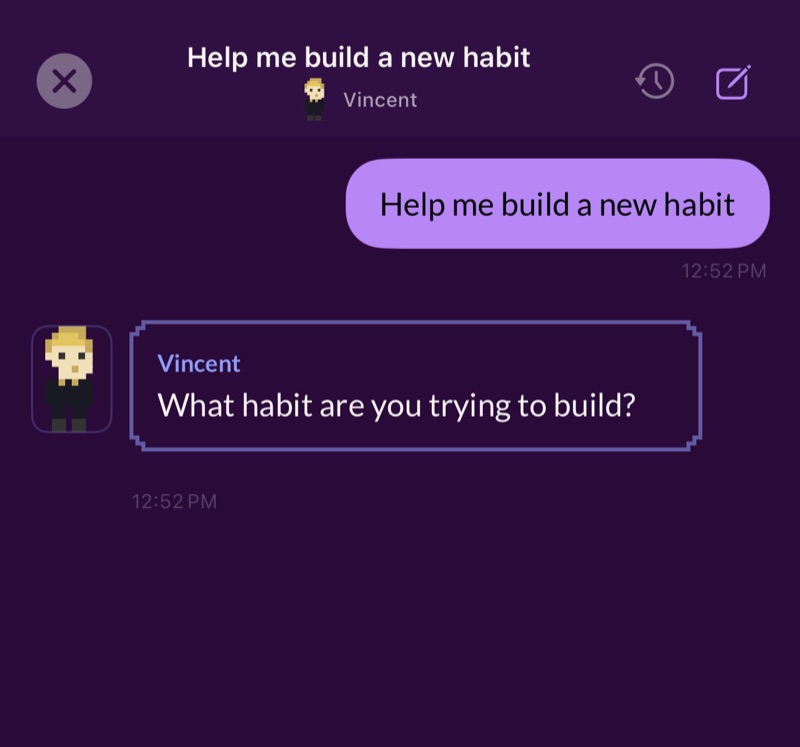
This is where tools like Vincere can genuinely help you train yourself to stop procrastinating. It’s designed to help you build habits with a crew, allowing you to share tasks and habits with friends or assign them. Everyone sees who showed up today. When you check off a task, you earn a "W" (a win), and adding a photo of your proof earns you two W's, making your effort visible to your chosen circle. It's a way to acknowledge your progress, get a gentle nudge, and experience the positive reinforcement of a shared journey. Your private AI coach, Vince, can even help plan your week and create tasks, offering personalized morning and evening check-ins.
It’s not therapy, but it creates a supportive environment for your self-improvement journey, making your hidden struggles a little less lonely.
Learning to Force Yourself to Stop Procrastinating (with Kindness)
The idea of "forcing" yourself often comes with a harsh, judgmental tone. Instead, let's reframe it as "gently nudging yourself with a compassionate but firm structure."
- Pre-commit: Make decisions in advance when your willpower is stronger. "Tonight, before bed, I will outline the first section."
- The "Pomodoro Technique" with a twist: Don't aim for perfect focus. Just aim to sit down and try for 25 minutes. If your mind wanders, gently bring it back. The act of sitting and engaging is the win, not necessarily a flawless output.
- Reward yourself (appropriately): Small, immediate rewards for starting or for completing your small, two-minute task can rewire your brain to associate the task with positive feelings.
- Forgive and Reset: If you procrastinate, don't let the guilt spiral. Acknowledge it, forgive yourself, and focus on the next tiny action you can take, not the one you missed. Every day is a new chance to try again, with a little more wisdom.
Procrastination is a deeply ingrained pattern, but it's not a life sentence. By being kind to yourself, shrinking the monumental into the manageable, and inviting a little gentle accountability into your life, you can begin to loosen its grip and take those first, crucial steps forward.
The biggest win isn't completing the task perfectly. It's simply starting. And you can do that today.
 On a computer? Scan with your iPhone camera.